


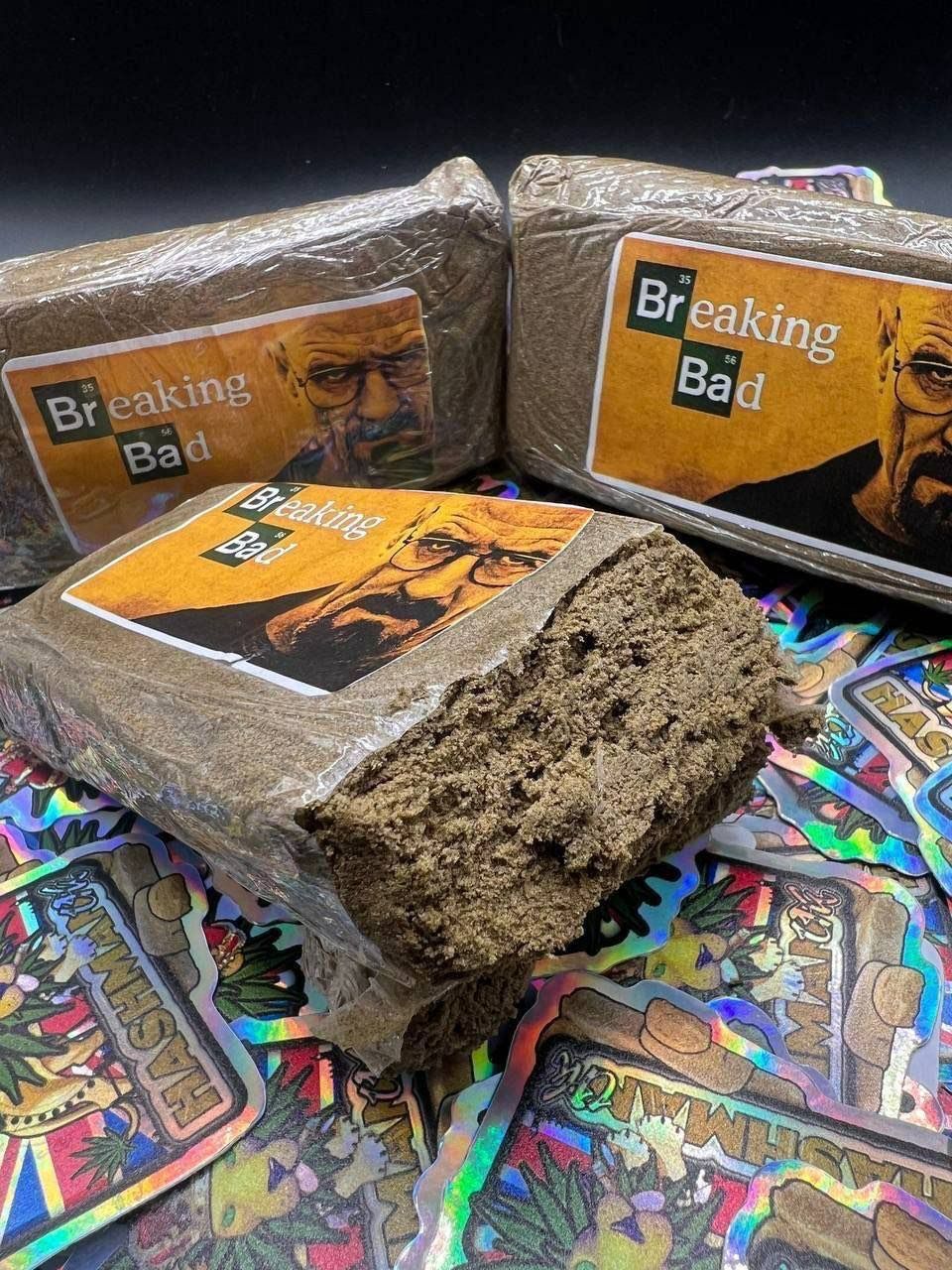
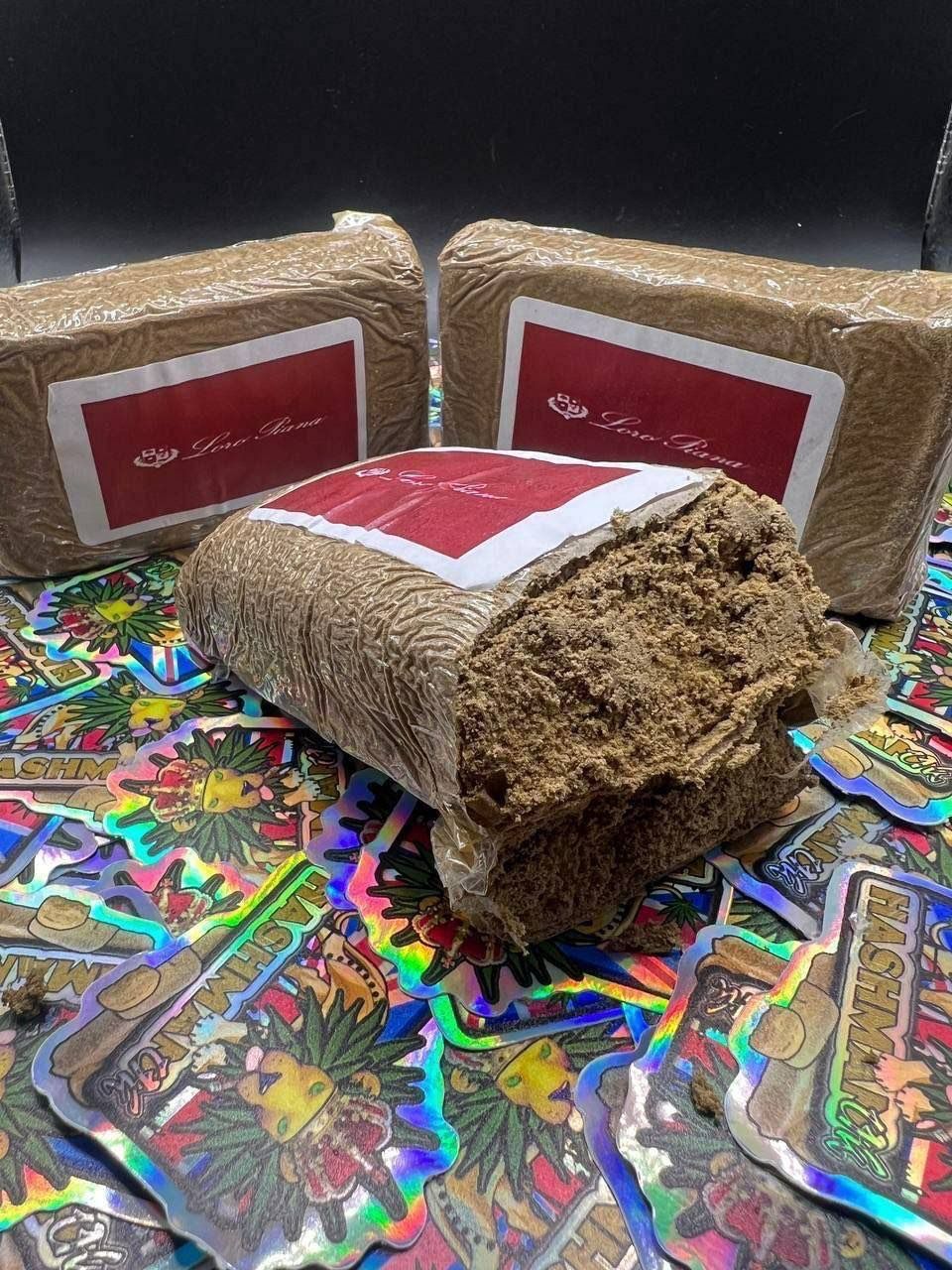
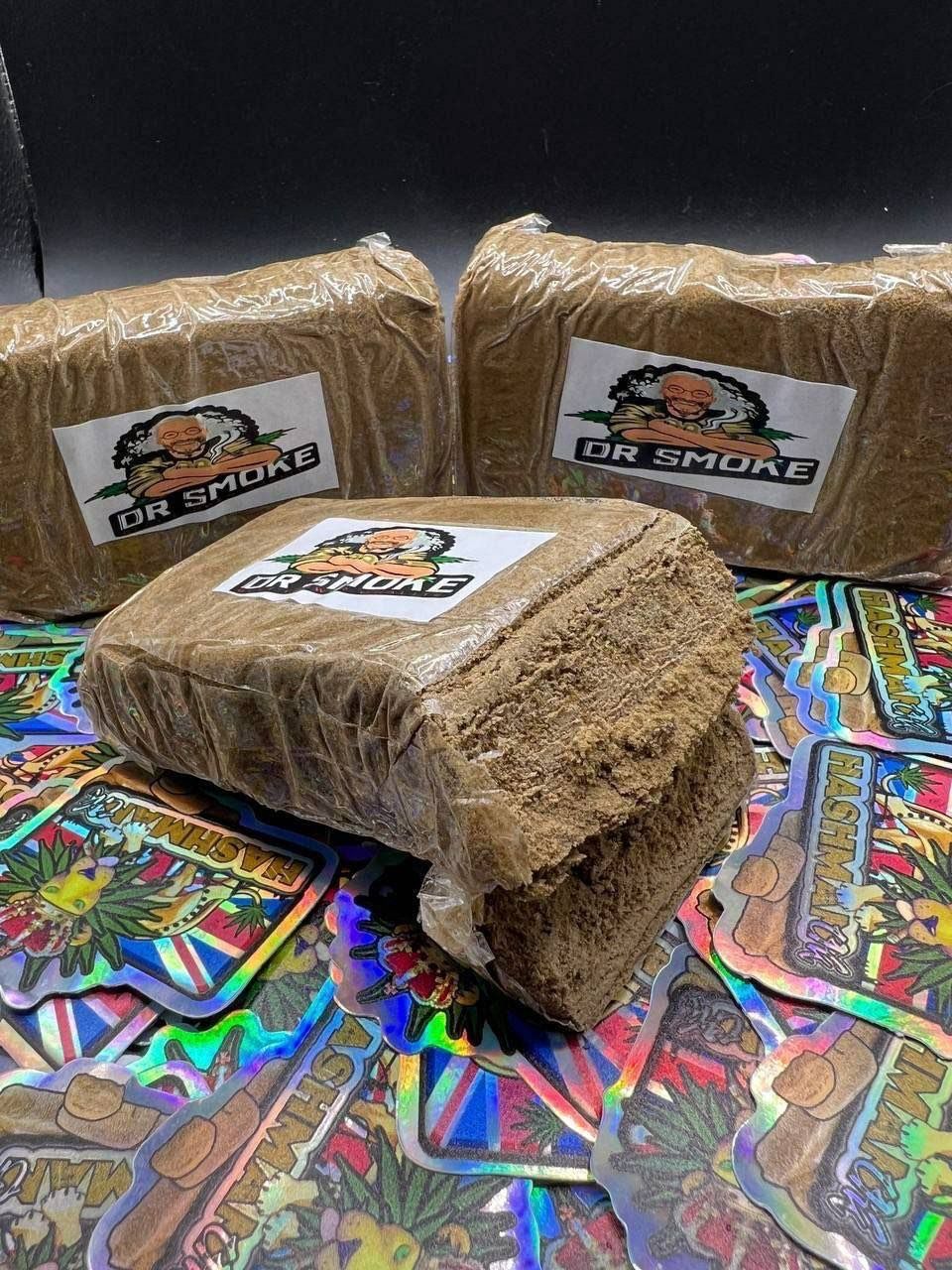
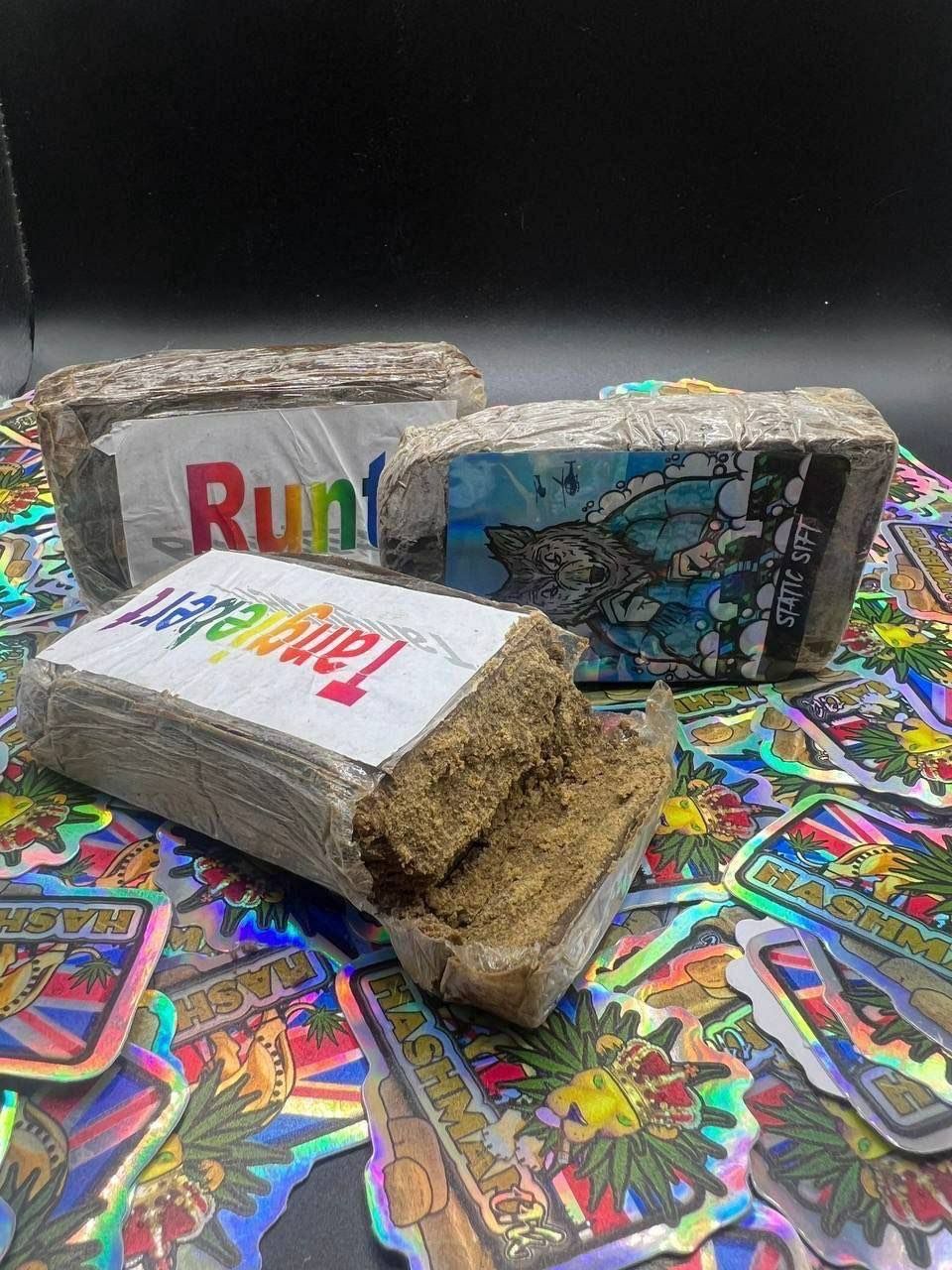

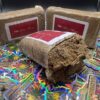
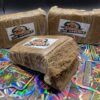
HASHISH HASH RESIN CANNABIS
Price range: $200.00 through $1,800.00
BUY HASHISH HASH RESIN CANNABIS ONLINE
What is Hashish?
Hashish, commonly known as hash, is a psychoactive concentrate derived from the resinous trichomes found on the surface of cannabis plants. Unlike regular marijuana, which uses the dried flowers, buds, and stems of the cannabis plant, hash is created by extracting and compressing the sticky resin that contains the highest concentration of cannabinoids.
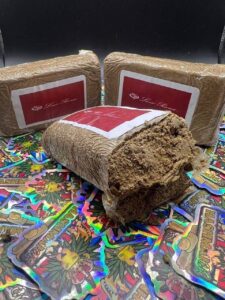
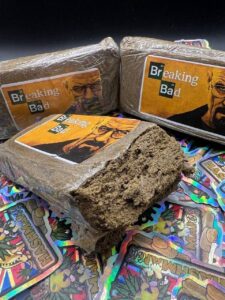
The extraction process results in a dark-colored substance that ranges from brown to dark green, typically sold in compressed bricks or balls. This concentrated form contains significantly higher levels of THC (delta-9-tetrahydrocannabinol) than traditional marijuana, making it considerably more potent and potentially more dangerous.
The Simple Analogy
Think of the cannabis plant like a coffee plant:
-
Cannabis Flower (Marijuana/Bud) = Whole coffee beans.
-
Hashish (Hash) = Very strong, finely ground espresso powder.
-
Hash Resin = The sticky, potent substance used to make hash.
1. Cannabis: The Umbrella Term
Cannabis is the genus of the plant itself. There are several species, the most common being Cannabis sativa and Cannabis indica. The term “cannabis” refers to the entire plant and all the products derived from it, including the flowers (marijuana), hashish, oils, and edibles.
Key Point: Cannabis is the source. The active compounds that produce effects (like THC) are produced in tiny, crystal-like structures on the plant called trichomes.
2. Hash Resin: The “Glue” of the Plant
This is where the confusion often lies. “Hash Resin” is not the final product you buy; it is the raw, sticky substance produced by the cannabis plant.
-
What it is: A thick, sticky secretion produced by the trichomes of the cannabis plant. This resin is incredibly rich in cannabinoids (like THC and CBD) and terpenes (which give cannabis its aroma and flavor).
-
Its Purpose: This resin acts as the plant’s defense system against pests and UV radiation.
-
The Connection to Hash: Hashish is literally made from this resin. The goal of making hash is to separate the potent resin glands from the plant material.
3. Hashish (or Hash): The Concentrated Product
Hashish (commonly just called hash) is one of the oldest cannabis concentrates. It is created by collecting and compressing the trichomes (and their resin) from the cannabis plant.
-
What it is: A concentrated paste or solid block that can vary in color from blonde and light brown to dark brown or black.
-
How it’s made: There are many traditional and modern methods:
-
Traditional Hand-Rubbing: Rolling fresh cannabis buds between the hands, causing the resin to stick and scrape off.
-
Dry Sifting: Shaking or beating dried cannabis over fine screens to sift the powdery trichomes away from the plant matter. This powder (kief) is then pressed into hash.
-
Ice Water Extraction: Using ice-cold water to freeze the trichomes, making them brittle so they break off easily. The mixture is then filtered through bags to collect the trichomes.
-
-
Potency: Hash is significantly more potent than regular cannabis flower because it is a concentrated form of the plant’s active compounds. THC levels in hash can range from 20% to 60% or more, compared to 15-25% in high-quality flower.
Summary of Relationships
| Term | What it is | Analogy |
|---|---|---|
| Cannabis | The source plant itself. | The Coffee Plant |
| Hash Resin | The raw, potent substance produced by the plant’s trichomes. | The Caffeine & Oil in a Coffee Bean |
| Hashish (Hash) | The final product made by collecting and compressing the resin-rich trichomes. | A shot of Espresso (a concentrate) |
Key Points
Hash is much stronger than regular marijuana – Made from concentrated cannabis resin, hash contains far higher levels of THC than regular marijuana, leading to more intense and unpredictable effects that can be dangerous, especially for first-time users.
It can quickly lead to addiction – The concentrated nature of hash makes it easier to develop tolerance and dependence. About 1 in 10 cannabis users develop addiction problems, and hash users face even greater risks due to its potency.
Recovery is possible with the right help – Hash addiction is a treatable medical condition. Professional treatment programs that include medical detox, therapy, and ongoing support have helped thousands of people successfully overcome cannabis dependency and rebuild their lives. RetryClaude can make mistakes. Please double-check responses.
piece of afghan hash isolated on white background close up
Hash, short for hashish, is a concentrated cannabis resin extracted from the trichomes of marijuana plants. It contains significantly higher THC levels than regular marijuana, making it more potent and potentially more dangerous, with effects ranging from intense euphoria to serious health complications.
Cannabis products have evolved significantly over the centuries, with hashish representing one of the oldest and most concentrated forms available today. Whether you’re seeking educational information or considering treatment options, understanding what hash is and how it differs from regular marijuana is crucial for making informed decisions about cannabis use.
Key Differences at a Glance: Hash vs. Cannabis Flower
| Feature | Cannabis Flower (Marijuana) | Hashish (Hash) |
|---|---|---|
| Form | Loose, green buds with leaves and stems. | A dense, solid block or paste. |
| Potency | Less potent (lower THC concentration). | More potent (higher THC concentration). |
| Consumption | Smoked in joints, pipes, or bongs. Vaporized. | Smoked in small amounts (often in a pipe, mixed with tobacco, or in a “knife hit”). Vaporized. |
| Production | Grown and dried. | Processed and concentrated from the plant. |
In a nutshell: The cannabis plant produces hash resin in its trichomes, and hashish is the product made by collecting that resin.
Hash vs. Marijuana: Key Differences
Understanding the differences between hash and regular marijuana is essential for recognizing their varying effects and risks.
Source Material
Marijuana: Made from dried flowers, buds, and stems of the cannabis plant
Hash: Created from extracted resinous trichomes containing concentrated cannabinoids
Appearance and Texture
Marijuana: Greenish-gray color with a dry, loose texture
Hash: Dark brown to green coloring in a sticky, compressed paste form
THC Concentration
Hash contains significantly higher concentrations of THC than regular marijuana. While marijuana THC levels have increased over the years, hash remains substantially more potent due to its concentrated nature.
Methods of Consumption
Both substances can be consumed in similar ways, but hash often requires different preparation:
Hash consumption methods:
Smoked in pipes or water pipes (bongs)
Rolled into joints or blunts (often mixed with tobacco)
Dabbed as a concentrate
Used in teas or edibles
Marijuana consumption methods:
Pipes or bongs
Joints or blunts
Vaporizers
Edibles (gummies, brownies, candies, cookies)
The Core Difference: Potency and Onset
Because hashish is a concentrate, its effects are a more intense version of traditional cannabis flower. Think of it as the difference between drinking beer and taking a shot of liquor.
-
Higher Potency: Hash contains a much higher concentration of THC (the primary psychoactive compound) and other cannabinoids. This means you need a much smaller amount to achieve the same level of effect.
-
Faster Onset (when smoked): When smoked or vaporized, the effects of hash are typically felt almost immediately and can peak within 30 minutes.
-
Longer Duration: The effects often last longer than those from cannabis flower, potentially lingering for several hours.
The Common Effects of Hashish
The effects can be broadly categorized into desired/positive effects and potential adverse effects. They exist on a spectrum and are highly dependent on the individual, the dose, the strain of cannabis used, and the environment (often called “set and setting”).
Desired / Positive Effects (The “High”)
When consumed in a moderate dose by a experienced user, the effects can include:
-
Euphoria and Relaxation: A strong sense of well-being, happiness, and calm. This is one of the most sought-after effects.
-
Altered Perception: Sounds, colors, and the passage of time may seem enhanced or distorted. This can make music, art, and food more enjoyable.
-
Body High: A deep sense of physical relaxation and heaviness in the limbs. It can feel like a warm, soothing wave throughout the body. This is often more pronounced with hash made from Indica strains.
-
Mental Stimulation and Creativity: Some types of hash (often from Sativa strains) can lead to a cerebral, energetic high that sparks creative thinking and conversation.
-
Appetite Stimulation: Commonly known as “the munchies.”
-
Drowsiness: In higher doses or with specific strains, hashish can be powerfully sedative, making it popular for evening use to aid sleep.
Potential Adverse Effects (The “Bad Trip”)
Taking too much, especially for an inexperienced user, can lead to unpleasant and sometimes frightening experiences.
-
Anxiety and Paranoia: This is the most common negative effect. The intense high can be overwhelming, leading to feelings of panic, fear, and paranoia.
-
Cognitive Impairment: Short-term memory, concentration, and the ability to think clearly are significantly affected. This makes activities like driving extremely dangerous.
-
Physical Discomfort: This can include dizziness, dry mouth (“cottonmouth”), red eyes, and coordination problems.
-
Rapid Heart Rate: THC can cause a temporary increase in heart rate, which can exacerbate anxiety.
-
Nausea and Vomiting: In rare cases, particularly with high, frequent use, some individuals may experience cannabinoid hyperemesis syndrome.
Long-Term Considerations and Risks
While many people use hashish recreationally without major issues, it’s important to be aware of the potential long-term risks:
-
Tolerance: With regular use, your body adapts, and you will need more of the substance to achieve the same effect.
-
Dependence: Psychological dependence can develop, where a user feels a strong urge or need to use it to function or feel normal.
-
Impact on Brain Development: For adolescents and young adults (under ~25), whose brains are still developing, regular cannabis use has been linked to potential impacts on memory, learning, and attention.
-
Respiratory Issues: If smoked, hashish carries the same risks as smoking any plant material—it can irritate the lungs and lead to chronic bronchitis.
Harm Reduction: If Someone Chooses to Use
-
Start Low and Go Slow: This is the golden rule. Take one small puff and wait at least 15-20 minutes to feel the full effect before considering more. You can always take more, but you can’t take less.
-
Know Your Source: The potency and purity of hash can vary dramatically.
-
Safe Environment: Be in a comfortable, safe, and familiar place, especially when trying a new batch or if you are inexperienced.
-
Have a Sober “Sitter”: Being with a trusted, sober friend can be reassuring if you become anxious.
-
Stay Hydrated: Keep water nearby to combat dry mouth.
-
Avoid Mixing with Alcohol or Other Substances: Combining drugs can lead to unpredictable and intensified effects, including severe nausea and anxiety (“cross-fading”).
How is HASH made?
1. Hand-Rubbing (Charas)
This is one of the oldest and most traditional methods, primarily associated with India and Nepal.
-
Process: Workers harvest live, ripe cannabis plants and rub the fresh flowering buds vigorously between their hands and fingers.
-
How it Works: The body heat and friction from rubbing cause the sticky resin to exude from the trichomes and coat the hands.
-
Collection: This black, sticky resin is then carefully scraped off the hands and rolled into balls or sticks. This final product is known as Charas.
-
Characteristics: Hash made this way is often very dark on the outside and softer and lighter on the inside. It has a distinctive, robust aroma.
2. Dry Sifting (Sieving)
This is a very common and effective dry method.
-
Process: Dried cannabis material (buds, trim) is agitated over a series of fine-mesh screens or silk screens.
-
How it Works: The screens have tiny holes that are small enough to let the powdery trichomes fall through, but large enough to block the plant matter. The finer the screen, the purer the hash.
-
Collection: The powder that falls through is called kief. This kief is then collected and pressed together using heat and pressure to form blocks or bars of hash.
-
Characteristics: The color can range from a light blonde (very pure) to a darker green/brown (more plant material). It’s often brittle or sandy before pressing.
3. Ice Water Extraction (Bubble Hash)
This is a popular modern method that uses ice, water, and filtration bags to create a very pure product, often called “Bubble Hash.”
-
Process: Dried or fresh-frozen cannabis is mixed with ice and water in a large bucket.
-
How it Works:
-
The ice-cold water makes the trichomes brittle, causing them to snap off easily.
-
The mixture is stirred aggressively, separating the trichomes from the plant.
-
The mixture is then poured through a series of specialized filter bags (“bubble bags”) stacked on top of each other. Each bag has a progressively finer mesh.
-
-
Collection: The trichomes are caught in the different bags, sorted by size and purity. The material from each bag is collected, dried thoroughly, and then pressed into hash.
-
Characteristics: Considered one of the cleanest methods as it uses no solvents. High-quality ice water hash, known as “full-melt,” will bubble and vaporize cleanly when heated.
4. Mechanical Separation (Rosin Tech)
This is a very modern, solventless method that has become extremely popular for its simplicity and safety.
-
Process: Cannabis flower or kief is placed between two pieces of parchment paper.
-
How it Works: The packet is then pressed with a significant amount of heat and pressure, usually using a rosin press (or even a hair straightener as a DIY method).
-
Collection: The heat and pressure cause the trichomes to burst, releasing their resin, which oozes out as a sticky, sappy substance called rosin. While rosin is a different form of concentrate, if you press kief, the resulting product is a form of hash, often called rosin hash or kief rosin.
-
Characteristics: This method preserves the full flavor and cannabinoid profile of the original plant since no solvents or extensive processing is involved.
5. Solvent-Based Extraction (Not Traditional Hash)
While not “hash” in the traditional sense, many modern concentrates are made using chemical solvents. It’s important to distinguish them.
-
Process: Chemicals like butane, propane, or CO2 are used to strip the cannabinoids and terpenes from the plant material.
-
How it Works: The solvent is run through the cannabis, dissolving the resin. The solvent is then purged (evaporated away) using heat and vacuum chambers, leaving behind a concentrate.
-
Final Product: This creates concentrates like Butane Hash Oil (BHO), shatter, wax, and CO2 oil. These are chemically different from traditional hash and are typically much more potent and pure.
The Final Step: Pressing
For most dry and ice water methods, the final step is pressing the collected kief or hash powder. This is done by:
-
Applying heat (often with a hot water bottle or a specialized press).
-
Applying steady, firm pressure.
This process transforms the loose powder into a solid, cohesive block. The heat and pressure cause the trichomes to rupture and melt together, creating the familiar pliable and solid texture of hashish.
Common Names for Hash
Hash goes by many street names, which can make identification challenging. Some of the most common terms include:
Hasheesh
Shish
Hemp
Dab or Dabs
Kif, Keef, or Kief
Boom
Charas
The word “hashish” comes from Arabic origins, which sometimes leads to confusion when discussing different cannabis products.
Frequently Asked Questions (FAQ) About Hashish
1. What exactly is the difference between marijuana and hashish?
-
Marijuana (Weed, Bud): Refers to the dried flowers, leaves, and stems of the cannabis plant. It is the plant material itself.
-
Hashish (Hash): Is a concentrate. It is made by collecting and compressing the potent resin glands (trichomes) from the cannabis plant. Think of it as the essential “essence” of the plant.
-
Key Difference: Hash is much more potent than marijuana because it contains a higher concentration of THC and other cannabinoids.
2. Is hashish stronger than regular weed?
Yes, typically. The potency of marijuana flower usually ranges from 15% to 25% THC. Hashish, being a concentrate, can range from 20% to 60% THC or even higher. This is why it’s crucial to use a much smaller amount.
3. How do you consume hashish?
There are several common methods:
-
Smoking in a Pipe or Bong: A small piece (a “pinhead”) is often mixed with tobacco or cannabis flower.
-
Vaporizing: Using a vaporizer that can handle concentrates. This is healthier than smoking as it doesn’t combust the material.
-
“Knife Hits” (Dabbing): Heating a small piece on a hot surface and inhaling the vapor (a traditional method, similar to modern dabbing).
-
Edibles: Hash can be decarboxylated (gently heated to activate the THC) and infused into butter or oil to make potent edibles.
4. What are the main effects of hashish?
The effects are similar to strong cannabis but more intense:
-
Desired Effects: Intense euphoria, deep relaxation, altered perception, creative thinking, and drowsiness.
-
Potential Adverse Effects: Anxiety, paranoia, rapid heart rate, dry mouth, red eyes, and impaired coordination and memory. These are more likely with high doses or for inexperienced users.
5. Is hashish addictive?
While not chemically addictive in the same way as substances like nicotine or opioids, hashish can lead to:
-
Psychological Dependence: Where a user feels a strong craving or need to use it to feel normal or cope with life.
-
Tolerance: Needing to use more to achieve the same effect.
-
Withdrawal Symptoms: With heavy, prolonged use, stopping can lead to irritability, sleep problems, decreased appetite, and restlessness.
6. How long do the effects of hashish last?
This depends on the method of consumption and the individual’s metabolism.
-
Smoked/Vaporized: Effects begin within minutes, peak around 30 minutes, and can last for 2 to 4 hours.
-
Edibles: Effects take longer to start (30-90 minutes) but are much more intense and can last for 6 to 8 hours or more.
7. Is hashish legal?
The legality of hashish is directly tied to the cannabis laws in your specific region.
-
In places where recreational cannabis is legal (e.g., Canada, parts of the USA), hashish is also typically legal for purchase from licensed retailers.
-
In places with only medical cannabis laws, it may be available to patients.
-
In many parts of the world, it remains fully illegal and possession can carry severe penalties.
Always check your local laws.
8. What’s the difference between hash, kief, and rosin?
-
Kief: The loose, powdery collection of trichomes that falls off dried cannabis. It is the unpressed ingredient used to make many types of hash.
-
Hash: The product created when kief is pressed together using heat and pressure into a solid block.
-
Rosin: A solventless concentrate made by applying heat and pressure to cannabis flower or kief, causing the resin to ooze out. It is a sticky sap, not a solid block. When made from kief, it’s a type of hash.
9. What does “full-melt” hash mean?
This is a term for high-quality hash, typically from ice water extraction. “Full-melt” means it melts completely into a clean liquid puddle when vaporized, leaving little to no residue. It is considered a sign of high purity.
10. What should I do if I have a “bad trip” or get too high?
-
Stay Calm: Remind yourself that the feeling is temporary and will pass.
-
Find a Safe, Quiet Space: Reduce sensory input.
-
Hydrate: Sip on water.
-
Use Black Peppercorns: Chewing on a few black peppercorns or inhaling their scent is a well-known folk remedy. The terpenes in pepper (beta-caryophyllene) are thought to help counteract anxiety.
-
Rest: If possible, try to lie down and sleep it off.
-
Seek Help if Necessary: If symptoms are severe (e.g., chest pain, extreme panic), don’t hesitate to seek medical attention.
| QUANTITY | OUNCE, QUARTER POUND, HALF POUND, POUND |
|---|
2 reviews for HASHISH HASH RESIN CANNABIS
Add a review
Related products


Concentrates


Flowers


Concentrates


Concentrates


Edibles


Concentrates


Flowers


Flowers

freeslyme –
will have to try this one day
richhommie –
Head this is so effective. some gas can even compare with this